Fighting war with faith
St. Raphael parishioner responds to God’s call as an Army doctor in Iraq
St. Raphael parishioner responds to God’s call as an Army doctor in Iraq
At a time when most people his age are thinking about retirement, Dr. Edward Horvath’s life took an unexpected turn when he decided to return to military service.
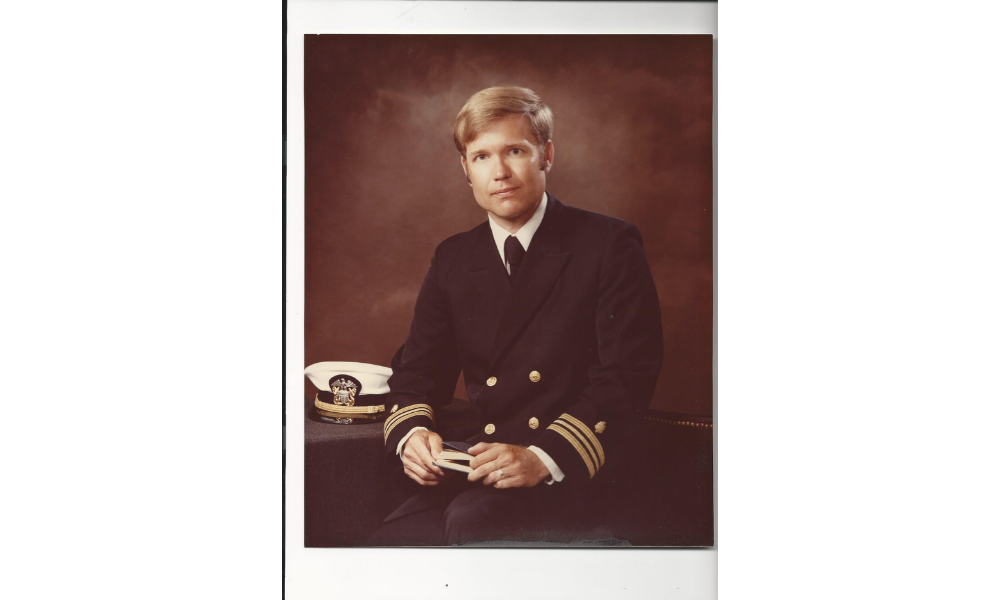
As a young man, he served stateside in the U.S. Navy during the Vietnam era before settling down as a physician. He has been married to Joy for 50 years. They are the parents of three — two sons who also served in the Navy and a daughter who became a physician.
A parishioner at St. Raphael in Bay Village, he had been medical director for two major companies and later a physician at the Cleveland Clinic and the Louis Stokes Cleveland Department of Veterans Affairs Medical Center. In addition, he had academic appointments at several universities, is a recognized research scientist and educator and the author of more than 30 publications, as well as a book, “Good Medicine, Hard Times: Memoir of a Combat Physician in Iraq. Proceeds from the book fund a scholarship program at The Ohio State University for ROTC cadets or midshipmen who are commissioned and planning a career in health care.
After the Sept. 11, 2001 terrorist attacks, he felt a sense of responsibility — a call to do something more.
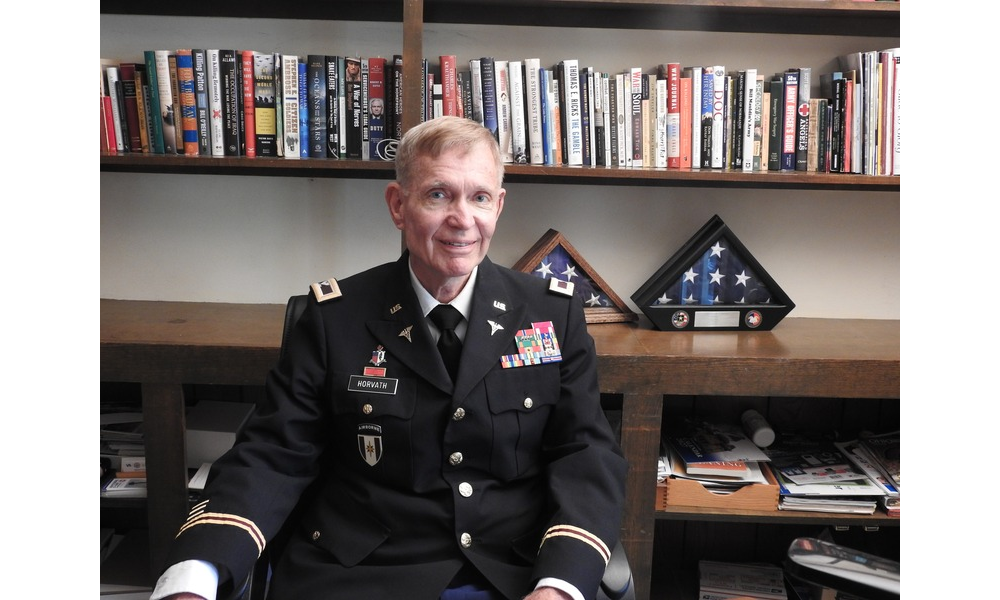
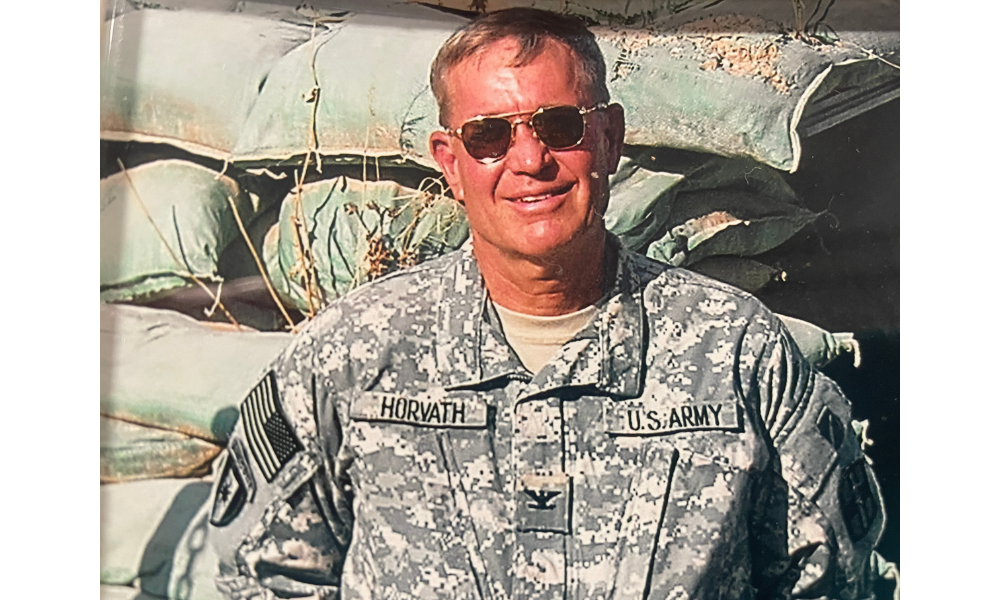
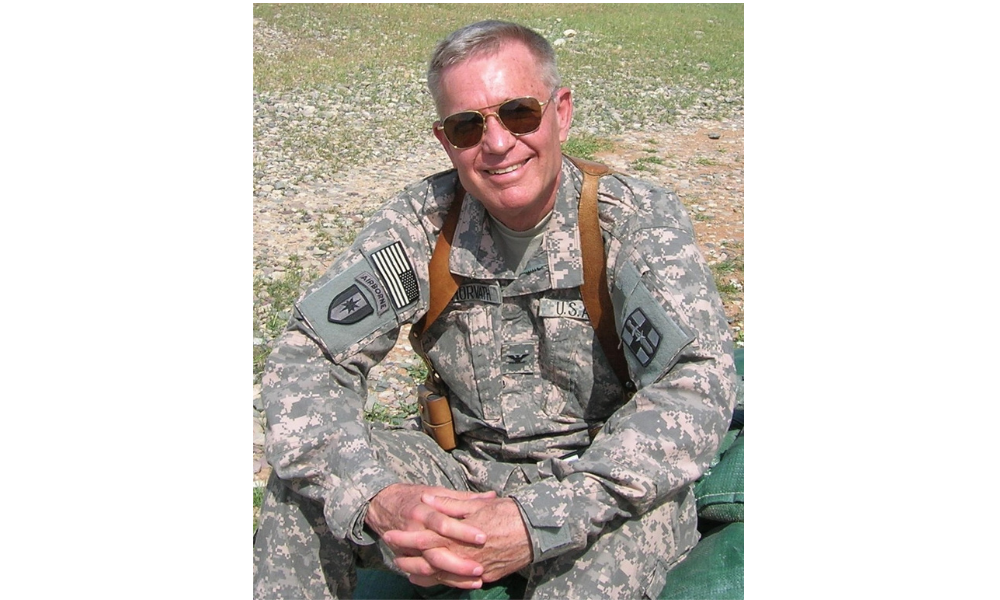
That led Dr. Horvath, now 80, to resume his military service with the Army as Colonel Horvath, a combat physician who served three tours of duty in Iraq during the war on terror.
The reasons that a successful physician with a loving family who was in the twilight of his career decided to rejoin the military and volunteer for service in a war zone were complex.
“As I think back to what I did in Iraq, in many ways I view that as the high point of my career. It was, I think, what I was intended to do all along,” he said.
“I was 57 when I went back into military service and I had my 64th and 65th birthdays in Iraq. I was one of the most senior people ever to serve in that particular war.”
He considered his age to be largely irrelevant, noting he was in excellent health at the time.
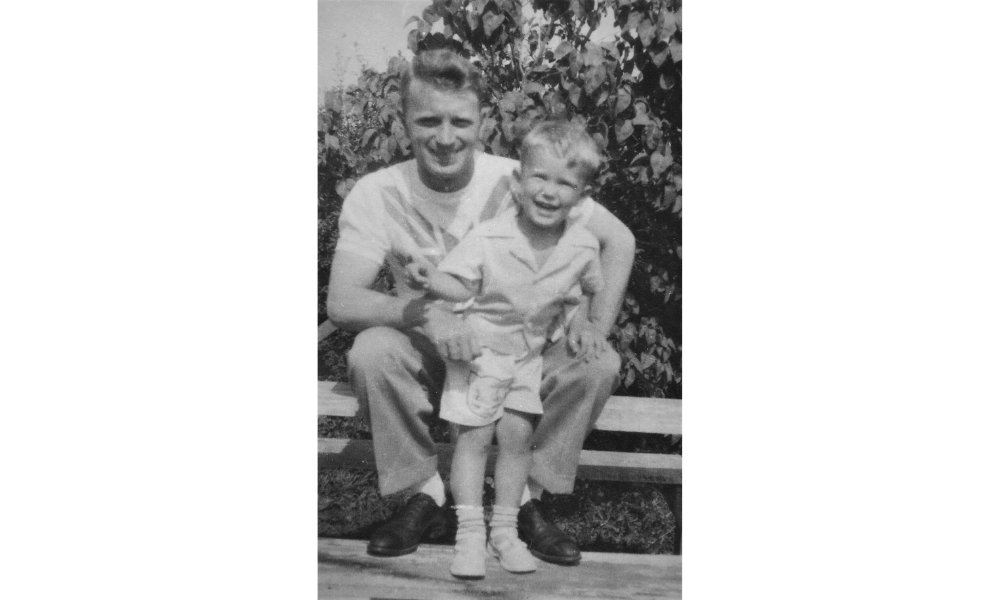
Other factors were his Catholic upbringing and the examples set by his father, a World War II veteran who died while Col. Horvath was serving in Iraq, and his father-in-law, who was a Marine in the Pacific during World War II. His father was a machine gunner with the U.S. Fifth Army who landed at Anzio and marched through Rome two days before the Normandy invasion in 1944. His unit fought their way up the Italian peninsula to the Alps.
“He always taught me what my responsibilities were — not just to serve my country in uniform, but to serve people who were less well-off than we were. We were from a poor immigrant background,” he said. “I also felt a little bit of guilt that I never wound up serving in Vietnam, and I thought, ‘Well, I didn’t really want this opportunity, but here it is. Go do it.’ The bottom line was, what would Christ want me to do? And that was an easy answer for me. That’s why I went back into the military … I was needed.”
After 9/11, his two sons, also feeling a sense of duty and responsibility, asked him what they should do. “I knew what they meant. I told them we were at war again … that both of their grandfathers had served in World War II. I had served during Vietnam … They were doctor’s kids, children of privilege, but I expected they would defend their country as their father and grandfathers had done. They both agreed and went into the Navy.”
That sense of responsibility grew largely from his Catholic faith. “I think it’s Catholic social teaching from Christ and the New Testament that you’re obligated to serve other people and to put their concerns and needs ahead of your own. That was one reason why I agreed to do it. I thought it was my obligation to serve people in any way I could.”
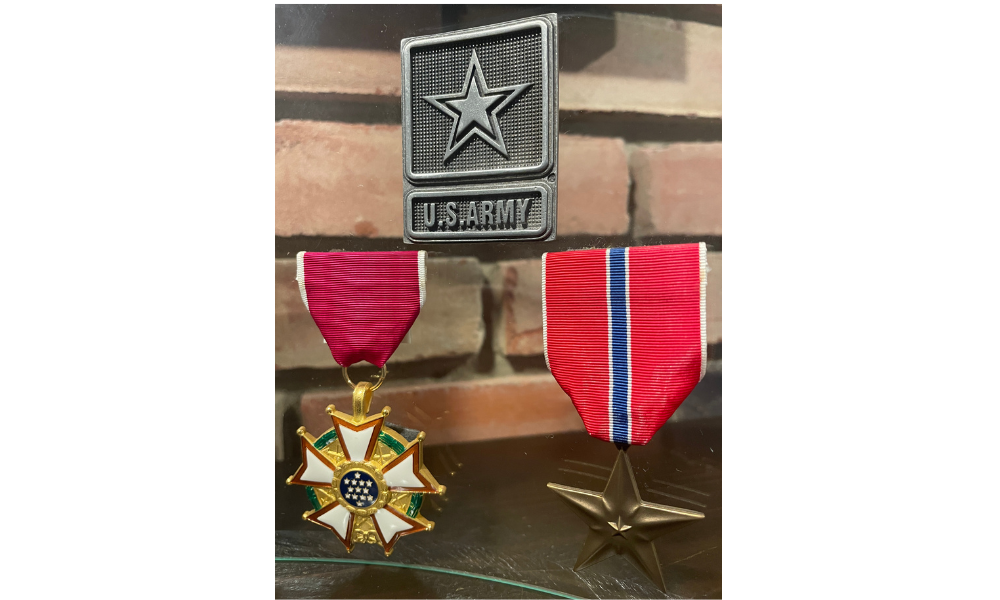
That service with the Army Reserve Medical Corps took the newly minted Col. Horvath to Iraq three times. He was awarded the Bronze Star and later received one of the nation’s highest military honors, the Legion of Merit. He also was inducted into the Ohio Veterans Hall of Fame.
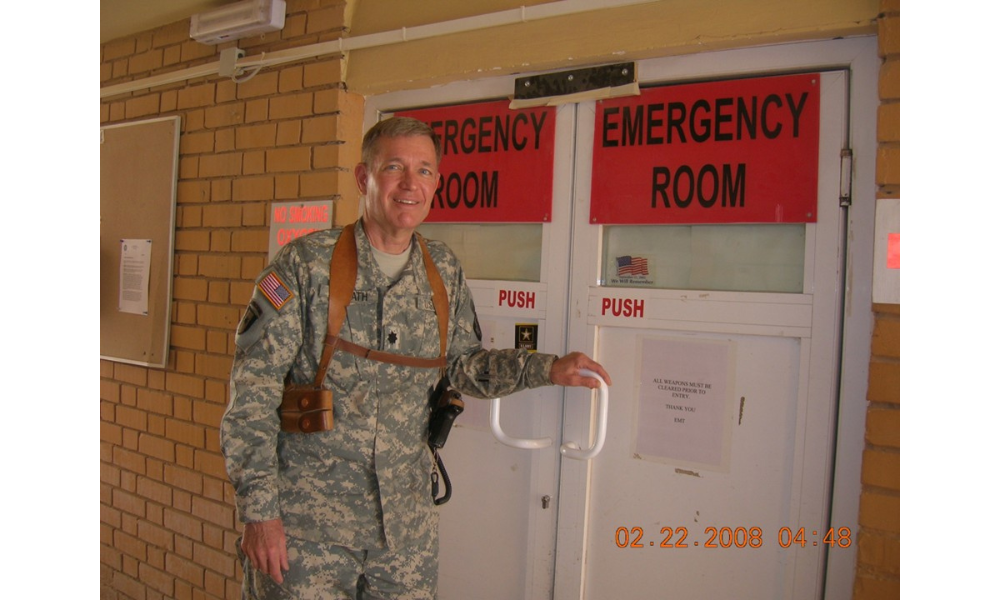
And he was exposed to the realities of war during his three deployments, December 2005 to April 2006, January to May 2008 and November 2010 to September 2011.
“I began my first deployment the day after Christmas (2005) at Abu Ghraib Prison Hospital, where my primary responsibility was to treat the 5,000 detainees that were being held there,” he said. Many of those detainees were insurgents who tried — and sometimes succeeded — in killing Americans, a fact he struggled with. “But as a physician, I was morally and ethically obligated to care for them. And I did that,” Dr. Horvath said.
“Our Catholic faith teaches us to forgive and it was very hard for me to do that initially, knowing what some of these people had done … But I learned to forgive. We have to forgive so we can be forgiven. I forgave and I cared for them as Christ would have done,” he said.
Watching families of the detainees during their emotional visits was difficult. War hits children especially hard, he said, noting he was there to care for and save “the neighbor’s kids,” the children of others, no matter who they were.
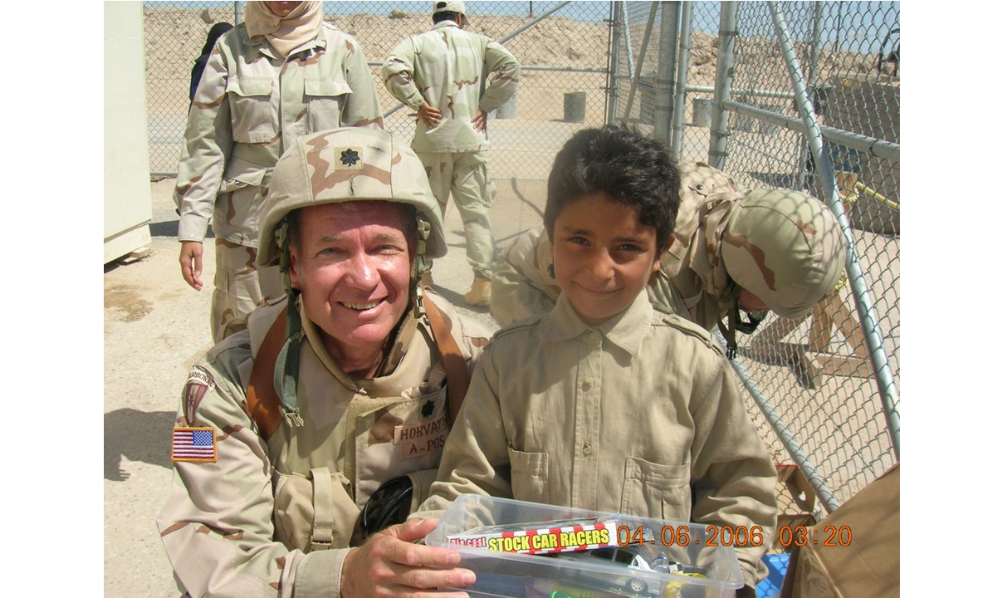
“I turned to the priest there and asked if there was anything we could do to make them hate us less,” he said. That’s when he got the idea to organize a toy drive that became the Gifts for Children program in Iraq, which lasted through the end of the hostilities.
After writing to St. Raphael Parish and others, donations of educational supplies, clothing and toys began pouring in from schools, churches, scout troops and more. On visiting days, families received two bags to fill and take home.
“I was overwhelmed by the generosity of the people back home,” he said, adding it made a difference in the lives of the Iraqis. “It was a happy day in the war. Children were laughing. They could be kids again for a day and not have to worry about the war.”
While that helped, it didn’t erase the horrors of war.
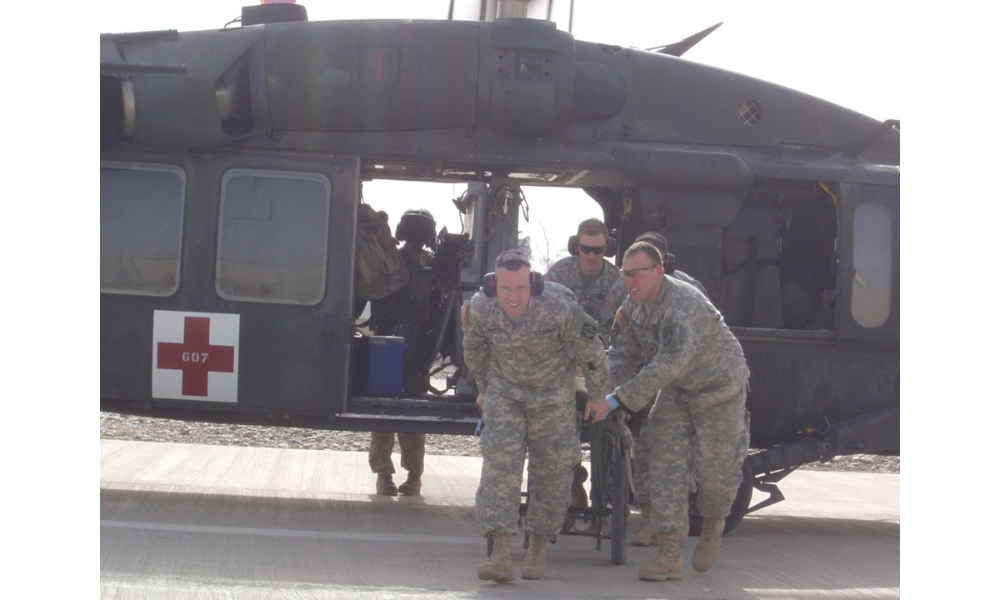
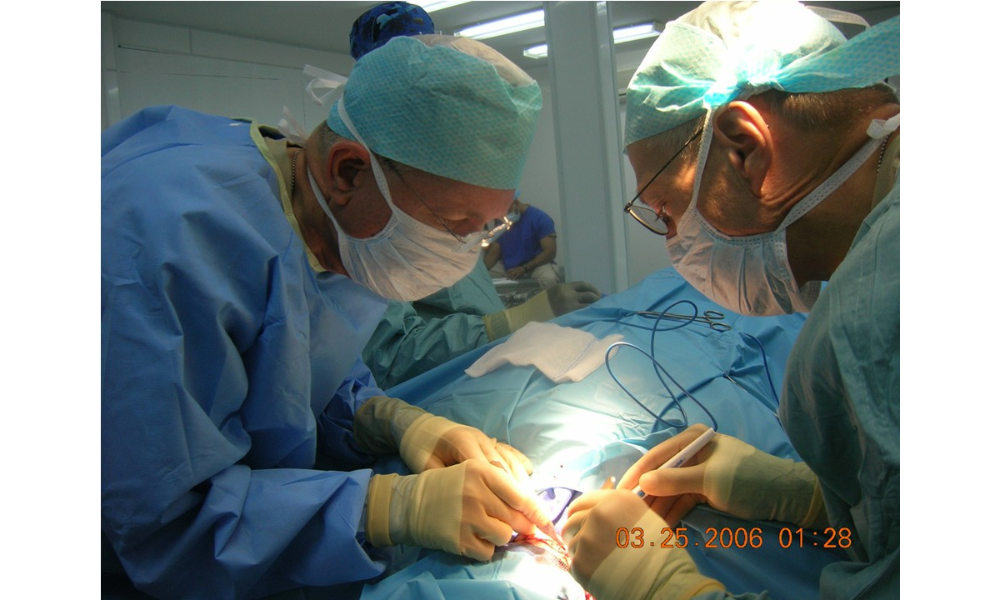
During subsequent deployments, Dr. Horvath served in a combat support hospital or CSH, a modern version of the Army’s older surgical hospital or MASH, made popular during the TV show “M*A*S*H.”
He was hospital director at Camp Bucca in the south near the Iranian border, which also was a detention facility. Some of the medical facilities were in tents, sometimes in buildings. “We were to save life, limb and eyesight. If additional care was needed, soldiers were flown to a hospital in Germany.”
Since some of the Iraqi patients spent additional time at the combat support hospital, supplies would run short and the medical personnel had to improvise when they needed something. For example, they created wheelchairs from lawn chairs and bicycle tires.
Many of the injuries were traumatic, especially those caused by improvised explosive devices or IEDs, which sometimes were packed with ball bearings or other metallic devices and buried in the road. Many service members and Iraqis were seriously injured or killed when the devices exploded. Missing limbs and serious burns were very common.
“We did everything we could to avoid civilian casualties,” Dr. Horvath said, noting, “the enemy, however, did not.” Even after surgery and treatment, many of the injured Iraqis could never walk normally again. “They were always in my prayers,” he said, referring to those he treated and those who died.
Although he was there to save lives, not take them, Col. Horvath said he also was responsible for defending the hospital, patients and fellow staff and he was ready to do so. He had at least one very close call, but said, “I’m glad that I didn’t have to kill anyone.”
The idea of “saving the neighbor’s kids” hit home on at least one occasion.
Col. Horvath was at Cleveland Hopkins International Airport for another stint of active duty when he overheard a woman talking about her son who was in Iraq, was injured after falling from a helicopter and had his life saved by an older doctor. After hearing more details about the case, he realized he was the doctor who saved her son. He asked what the soldier’s name was, she told him, and he realized her son had been his patient. He asked how he was doing and the mother started crying, walked over and embraced him.
“‘You saved my son’s life. My little boy came home to me because of you,’” she told me. “At that moment, everything was worthwhile — the pain, the suffering, the hardship, the danger … I absolutely feel God was at work there. I think at that moment, God answered the question, ‘Why did I go there?’ He let me know I did the right thing by going.”
He remains friends with that young man, who now is married with three sons. “I’m godfather to one of his boys and he came last summer to our 50th wedding anniversary in uniform,” he added.
Dr. Horvath is also proud of his service as a mentor to young men facing difficult times, noting he has developed lasting relationships with some of them.
When asked how the war changed him, he listed three things:
1) Don’t sweat the small stuff.
2) Human life is sacred.
3) Don’t underestimate the value of forgiveness.
“We all have a mission in life, something we’re supposed to do … Pray about it. Think about it. You have to try different things. And the most important thing you will do in your life is to fulfill what your mission is, what’s expected of you.”
Get more insight by visiting his website, goodmedicinehardtimes.com.